In their footsteps: Byeblues
Two PhDs, in chemistry and neuroscience, have created a connected lantern that protects new parents' sleep.
18 July 2024
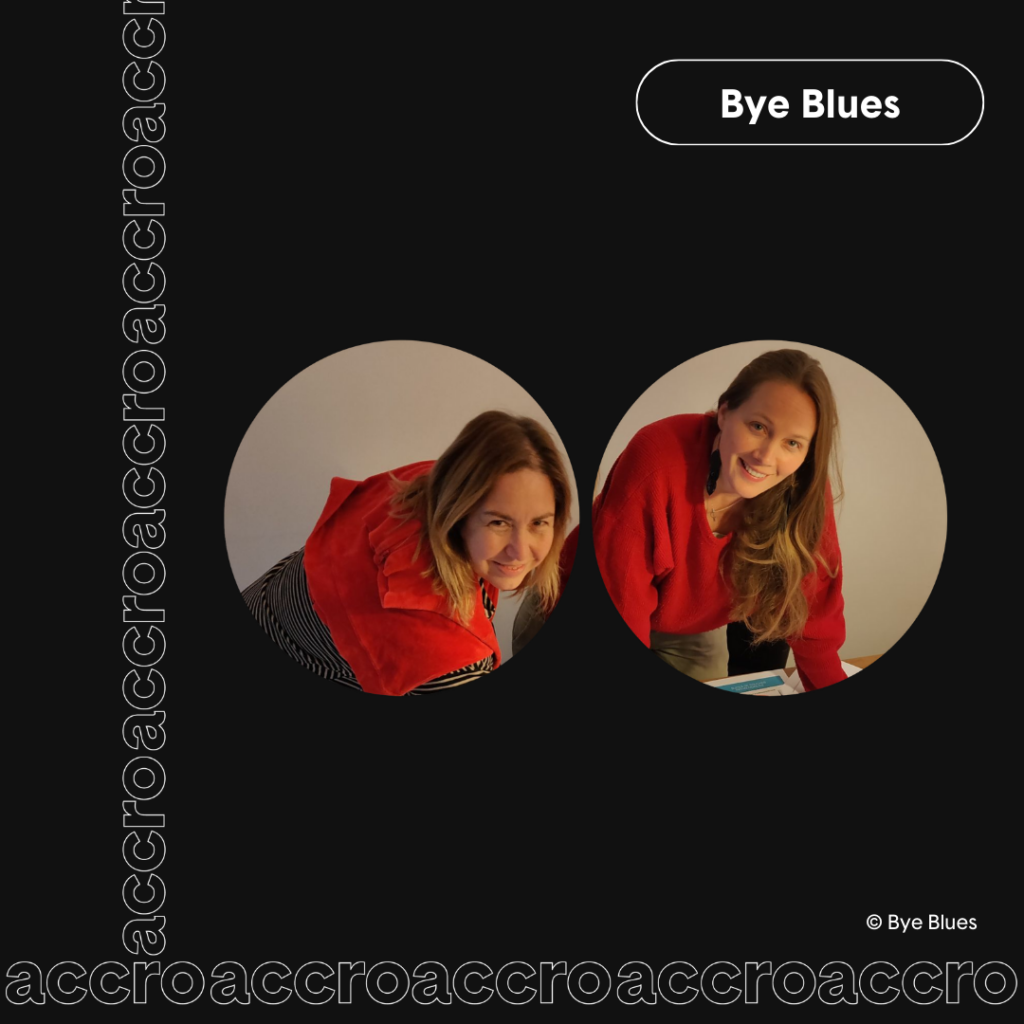
Introduce yourselves and tell us about your project
My name is Daniela Verra, I am originally from Argentina and I hold a PhD in chemistry.
I am Domitille Boudard, I hold a PhD in neuroscience and I am Daniela’s partner in the company Byeblues. We met when we were working in the same research laboratory.
The Byeblues project has its origins in our scientific research. Over the past 20 years, many researchers in chronobiology have realised that exposure to so-called “conventional” light at night disrupts the body’s natural rhythm and leads to sleep problems, mood disorders and loss of motivation. Exposure to the wrong kind of light at night can be very harmful to well-being and health. When we became mothers, we felt this scientific finding in our daily lives. Looking at what the market offered in terms of nursery lighting, there was no product that met our needs. So we decided it was time to do something to help parents. We created a lamp for new parents that would protect their sleep and the body’s natural rhythms: the Byeblues Baby connected lantern.
Byeblues Baby is the first connected lamp which, in addition to its innovative light, can track the baby’s sleep patterns through a dedicated app, the “Byeblues Baby app”.
On the first Tango&Scan project we won, we worked in partnership with a product designer, Alix Videlier. His knowledge of products and his creativity allowed him to imagine a portable lamp with a design suited to the parents’ bedroom. Alix then turned his drawings into files the mechanical engineers could work with.
What did you dream of becoming when you were little?
Domitille: science and biology have always made me curious. I used my first microscope to try to understand the structure and workings of the living world around me.
Daniela: I wanted to become a diplomat, but I could not afford private university. Then I thought about medicine, but I was afraid I would not succeed. So I ended up doing a PhD in chemistry. I realised I could do what I wanted, and I quickly developed a taste for research.
What was the craziest or most unconventional idea you have had?
In 2020, when we decided to take part in the Hacking Health Camp in Strasbourg (held online that year), we had a very clear idea of the project we wanted to undertake, but nothing else. So it was with just an idea in our pocket and our determination that we signed up for the world’s biggest health hackathon.
Fortunately, we managed to bring a great team together around us and, after an intensive weekend of work and coaching, Byeblues won two awards!
Your beginner’s mistakes?
We started our project with one ambition: to make difficult nights easier for new parents. At first, we focused heavily on scientific studies and on discussions with the healthcare professionals who were enthusiastically supporting us. But we soon had to face reality: the need to manufacture a product and to plan how to sell it. We had to leave our comfort zone and learn a great deal, sometimes the hard way, about manufacturing processes, electronics and regulations.
The achievement you are proudest of?
Every step forward is a source of collective pride, even the ones where we had to go back, because they teach us so much. It might be securing funding, winning a competition, or a jury recognising the merits of the project and the interest it has generated within a community. Every victory is a step towards our goal: successfully developing lamps that make parents’ nights easier.
We are very touched when parents tell us they would have loved to have a product like ours when their child arrived, because it shows us that this is a real need for parents. And that a simple solution is enough to meet it: a lamp that produces the right kind of light.
One piece of advice for those who want to get started?
Surround yourself with people; having a good network is very important. Knowing who to turn to when you have questions or particular needs is a crucial step in launching your project in the best possible conditions.
Ask yourself whether the market you want to enter actually exists. Finally, protect your time. Always give yourself breaks, to refocus and step back from the work you have done so you can develop it better.
Do not lose sight of your project’s original goal. Always keep in mind why you are getting started. And when it comes to entrepreneurship, go and meet entrepreneurs to hear about their real-life experience.